This Black Woman’s Guide to Cancer – My Hair Pt.3

Are wigs an option?

I feel like an afterthought. I mentioned a couple of posts ago that my oncology team recommended that I check out MacMillan charity as they provide additional information and support around wig measuring services for cancer patients. Since my diagnosis in 2018 I’ve dipped in and out of their website as it is my premier resource for practical information and support for patients living with cancer. Over the years I’ve come to recognise that as a charity it has been their ability to identify the emotional impact of this need and focus on this as a necessary part of [cancer] life management. In 2019 me and my two besties completed a London Winter Walk and raised over £1500 for the charity we all feel passionately about.

So what resources are available for the black woman with natural hair? The site provides a wealth of general information about the different types of wigs available and options for funding including that you can get a wig on the NHS (subject to prescription charges but more on that later!) and there is a VAT free option for all cancer patients. I wasn’t aware of any of this before so this is good to know! There’s a short video where a patient goes into a salon called TrendCo to purchase a wig. She selects one and then Trevor Sorbie (famous hairdresser) styles it for her so it fits her face. This was great but in all of the video scenes of the 100s of wigs available none of them looked as if they were styled or created for black women who don’t want to wear a straight textured wig. Which got me thinking – where would I go to get the equivalent service? I continued on Macmillan to find out!

Macmillan’s recommendation:

Wigs if you are black or from an ethnic minority group

You may need to contact a specialist wig supplier to find a suitable wig. There are companies that work with the NHS to do this. Speak to your cancer nurse or doctor for more information. You can also contact Cancer Black Care for support and advice.

macmillan.org.uk

I checked out the Cancer Black Care site for more information and I’m a little surprised this is a Macmillan recommendation or reference. The site is lightweight compared to it’s own and the practical advice given is generic. There certainly isn’t a snazzy video of black patient attending a wig referral appointment and being treated to a cut by a celebrity black hairdresser. It’s a little disappointing but sadly unsurprising. I could go into the huge funding disparity that exists between CBC and Macmillan (we’re talking multi-millions, i checked!); the potential inadequacy of fundraising efforts of the former; how this gap has the potential to impact the quality of services and advice on offer to ethnic minority patients who need charitable support; why my expectations [needs] of a charity the size of the latter should be met within it’s existing framework; what more could be done to ensure that it is inclusive of these needs rather than referencing (-read palming off to) another charity; or in the alternative that funding is spread more evenly to address this gap, but I think I’ll save that for a separate post!! It did peak my desire to research other organisations out there that have a ethnic minority focus. I will add a list of resources as an update to this post for anyone that wants a list of organisations and the information they have.

In the interim, my oncology team has referred me to a wigmaker in Paddington. I’ve been told my prescription will cost £74.15. On further investigation I discovered on the NHS website that I was quoted only for a synthetic wig but the NHS does fund human hair wigs too. Current NHS prescription charges are:

  • stock modacrylic wig – £74.15
  • partial human hair wig – £196.40
  • full bespoke human hair wig – £287.20

I will have to ask if the other two options are open to me. I’m looking forward to getting myself fitted for my very first wig. I’m quite happy just to rock my buzz cut but a lady should always have options!

Good to Know:

  • If you’re based in the UK – cancer patients on the NHS can be referred to wig specialists, speak to your oncology team
  • NHS wig prescriptions require you to pay a surcharge depending on wig choice (synthetic/human) but this can be free if you are on a low income
  • TrendCo – the wig salon featured in the Macmillan video does an extensive line of wigs and hair services in general (but note lack of variety for ethnically diverse styles)

What have your experiences been engaging the NHS for their wig services?

Thanks to everyone for all your support. Feel free to share, ask questions – Let’s take back control, stay healthy and blessed together!

This Black Woman’s Guide to Cancer – My Hair Pt.2

The road to recovery….

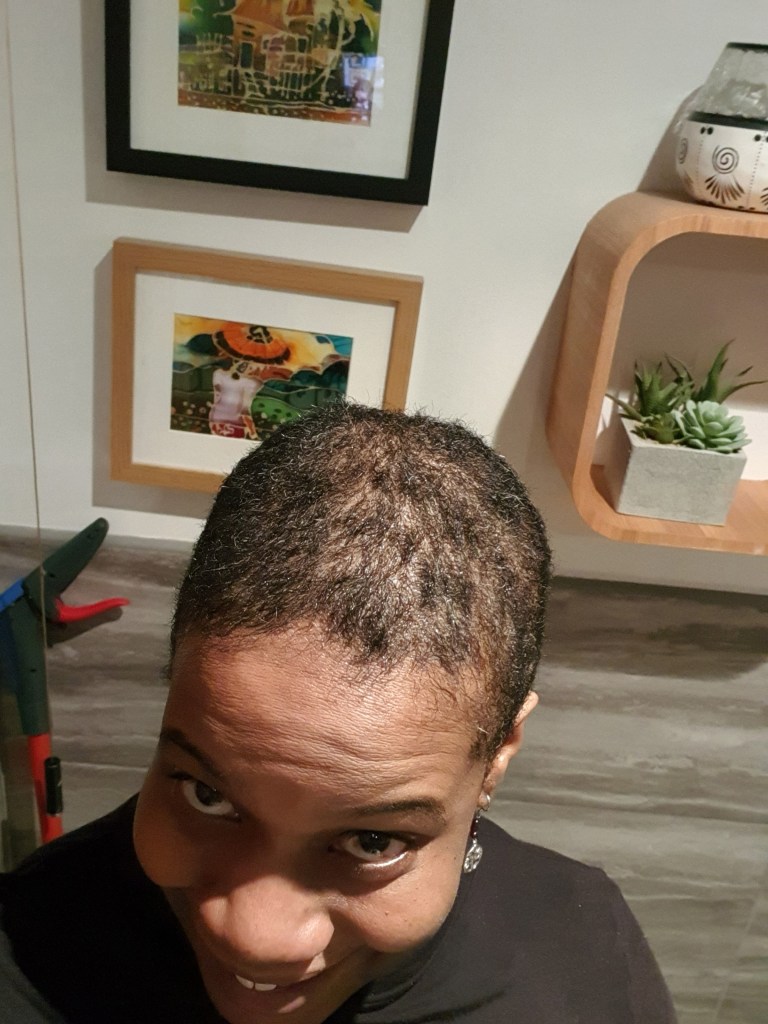
For the past couple of days I’ve been dodging mirrors, satin hat firmly fixed in place. Glamour hasn’t been my priority (and generally isn’t on school runs). I thought about washing & DCing my hair before my cut then realised it would be a waste of product on hair that was so dead it would have taken a spiritual intervention to revive it. You saw the pictures, i’m not exaggerating!

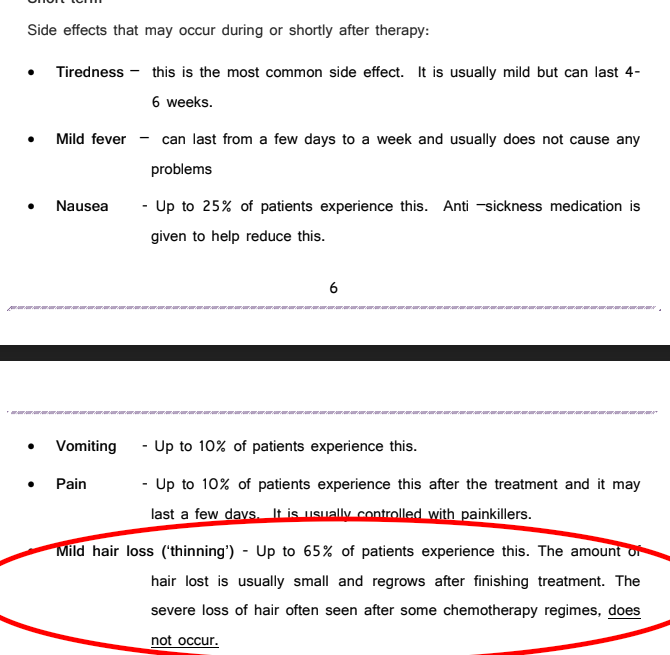
Just to prove i’m not crazy and I hadn’t misinterpreted anything, I dug around in my email and found the information booklet supplied by my oncology team. It’s 14 pages so fairly extensive and provides a list of Q&As. On side effects:

Hmm… I don’t think very many people would describe the loss I experienced as ‘mild’ or ‘small’. Since my initial post I’ve shared the pictures of my excessive loss with my oncology team and i’m waiting for them to get back to me. I had the expectation of ‘mild’ being extra shedding at wash time and during the detangling process. I certainly didn’t expect to look as if I’d lost 65% of my hair!

Questions – I had several here are some:

  • What hair type was being referred to when describing this side effect?
  • Did the reporting of this side effect factor in the impact of the treatment on afro hair which is far more fragile than caucasian or other hair types?
  • What does ‘mild’ or ‘small’ look like?
  • What type of loss was experienced by the other 35% (still a sizeable portion) and why is this not referenced?
  • At what point in the treatment cycle does shedding occur?

My expectation was that the list of side effects are equally applicable to me as they would be to anyone else reading them but sadly this wasn’t the case. Maybe I fell into the 35% but without further information I can’t be sure. In my mind though the direct comparison between hair loss in radiotherapy (my treatment) versus chemo hair loss is what was particularly misleading. When chunks of hair came away in my hands i certainly did not feel the distinction!!

What I do know (and this isn’t the post to go into this in any great detail) is that the medical profession’s provision of race-blind generic descriptions of side effects isn’t helpful and can cause more harm than good for the ethnicity not catered for. (Think meningitis test and rolling a glass over the skin. The previous guidance would never have worked on most brown tones. It has only just been rectified here in the UK in the past couple of years). In my case i’ve had mismanaged expectations and undue trauma as a result. Had the side effects on hair been more accurate, I could have taken better preventative measures and certainly made different protective styling choices to prevent any potential for it to aggravate the side effects further.

It’s hard enough dealing with the uncertainty that comes with a cancer diagnosis without adding the stress of realising that your ethnicity may not be accurately factored in. I’ve been left a lot more unsure of the rest of my treatment plan than I was before starting it. I feel like i’m being asked to take on ‘blind faith’ and trust that the treatments (and any identified side effects) are applicable to me. Some good has come out of it though… it got me started writing this blog!

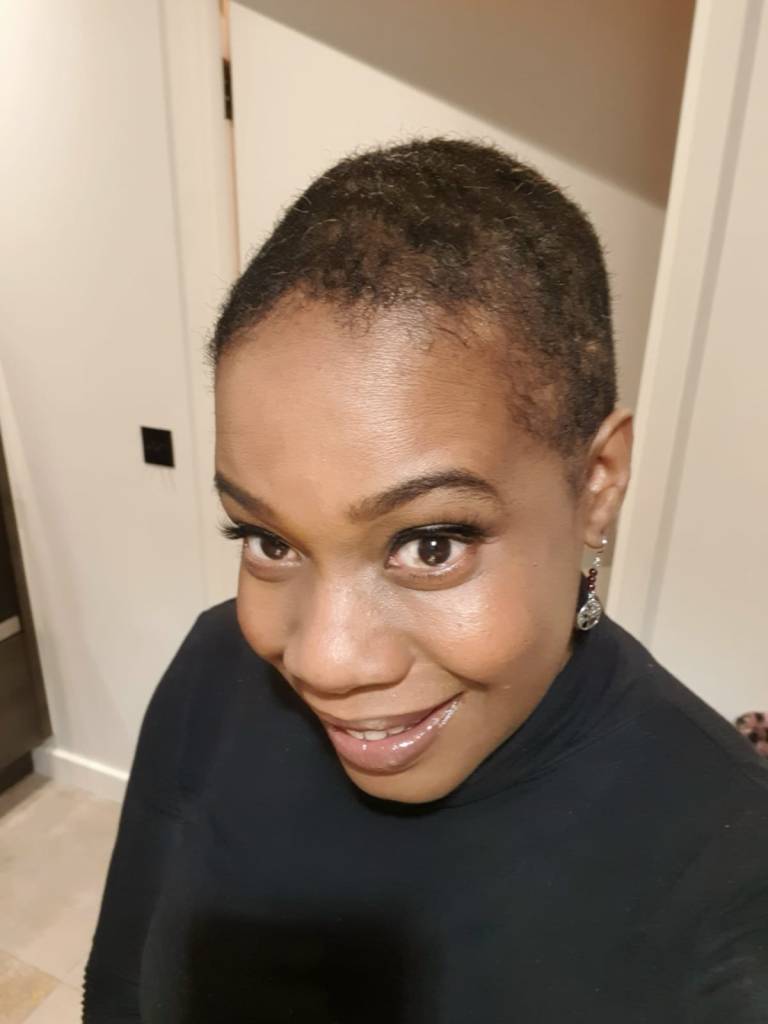
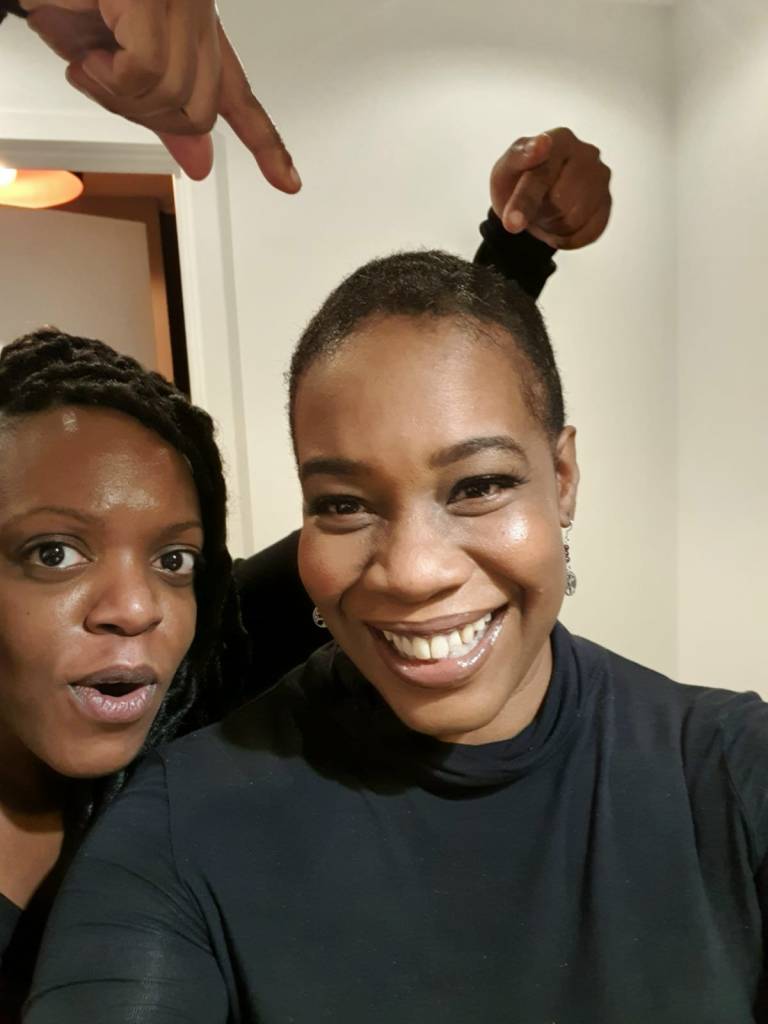
So what have I done about it? Sis came over with her trusty clippers Friday night and she hooked me up! I had a glass of Prosecco to calm the nerves and she went to work getting rid of the dead hair! Here is the end result:

The top is still patchy but less noticeable at this length. I can still see where my ‘thin’ spots are but I don’t think the ‘untrained’ eye would notice!

Embracing the buzz cut after washing & conditioning

Baby sis hooked me up!

I’m really happy with it and i’m hoping that the regrowth will be healthy and even and I won’t have any permanent alopecia spots.

Top tips for rocking your buzz cut:

  • Check out the Pinterest boards! – There are SO many variations on the buzz cut theme. Etched in lines, parts, patterns etc
  • Visit your barber/hairdresser – If you aren’t lucky enough to have a bomb ass sister then this is a must. Clippers can do some damage in inexperienced hands. My sis took her time and went down setting by setting until I was happy with how low the cut was. I trusted her because she’d been doing her own head for years now. Plus she’s super-picky/pedantic (love you sis!) which is is what you need for this type of exercise!
  • Back away from the dye – I was tempted to reach for a box but was reliably informed that if you’re actively receiving treatment then you’re advised against any permanent hair colouring as it could cause adverse reactions. I wonder if the same applies to temporary hair colour gel???
  • Scalp Care – Conditioning is still needed! My hair was cut dirty, so afterwards I washed and conditioned, applied leave – in and moisturised as normal. I find that my scalp is itchy (with no visible flaking). I don’t know if this is treatment related but now i’m back to virgin root growth it’s the ideal opportunity to nurture it back to health from the scalp up!
  • Wigs: i’m going to tackle this in a separate post but now’s the time to experiment!
  • Smile! – Your new cut will bring attention to your face so a smile will compliment it. I’m grinning because my wash and go will really be that and I can have dry hair in under 30 minutes. Plus I also have a resting B-face so I’m also accessorising with some make-up! 🙂

It’s been a tough week but I feel like i’m ending it on a high because I have a degree of control back. Cutting my hair has given me some of that.

If you are out there on your cancer journey, what has been your hair experience so far?

Thanks to everyone for all your support. Feel free to share, ask questions – Let’s take back control, stay healthy and blessed together!